FAA Instrument Rating (IR)
Master the art of flying by reference to instruments. Enhance your safety, skills, and career prospects with an Instrument Rating under FAA regulations.
Overview Of the Course
The Instrument Rating (IR) authorizes you to flight under Instrument Flight Rules (IFR). This rating is a necessary step for any professional pilot, but it is also a great addition for a private pilot, as it allows you to fly in conditions of low visibility.
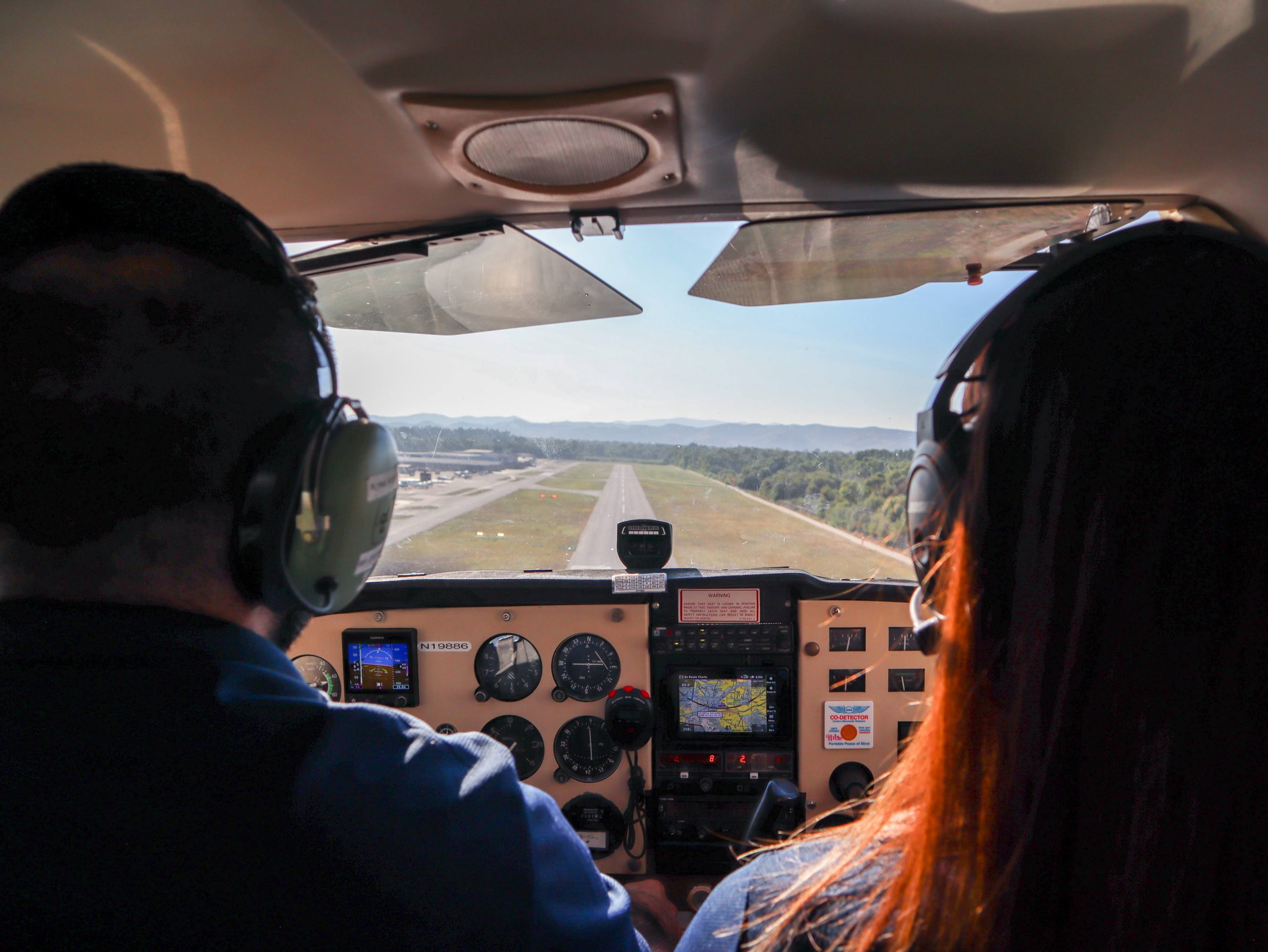
The course is designed to teach you how to control the aircraft by referencing the instruments only, how to navigate in the IFR system, and how to deal with complex weather situations.
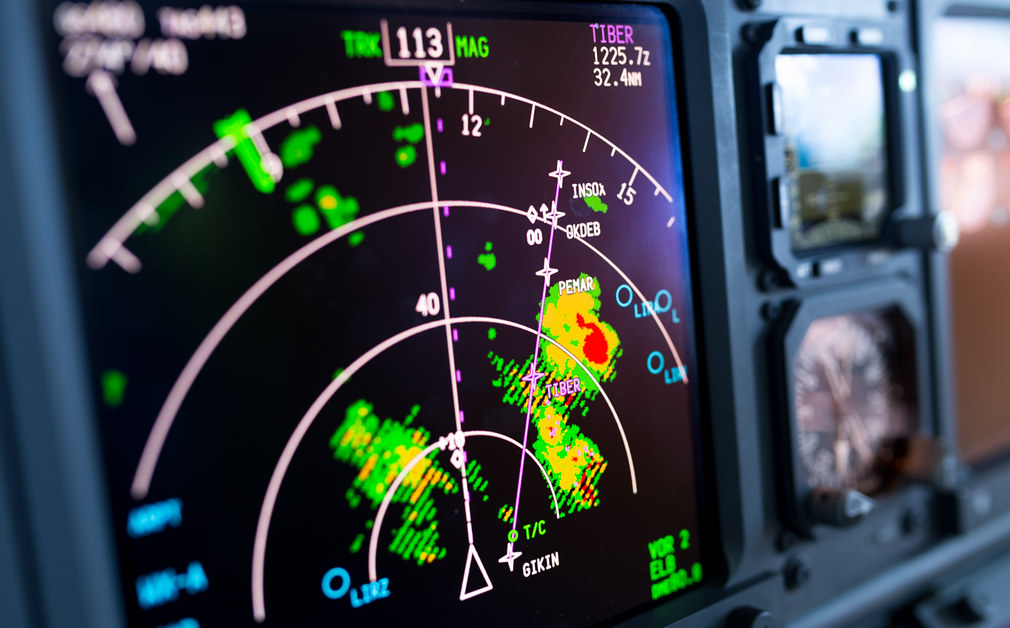
Ground Training
Theoretical instruction is conducted simultaneously with flight training. Students can choose between group classes or individual one-to-one classes for theory on-site. There is a minimum requirement of 30 hours of ground training.
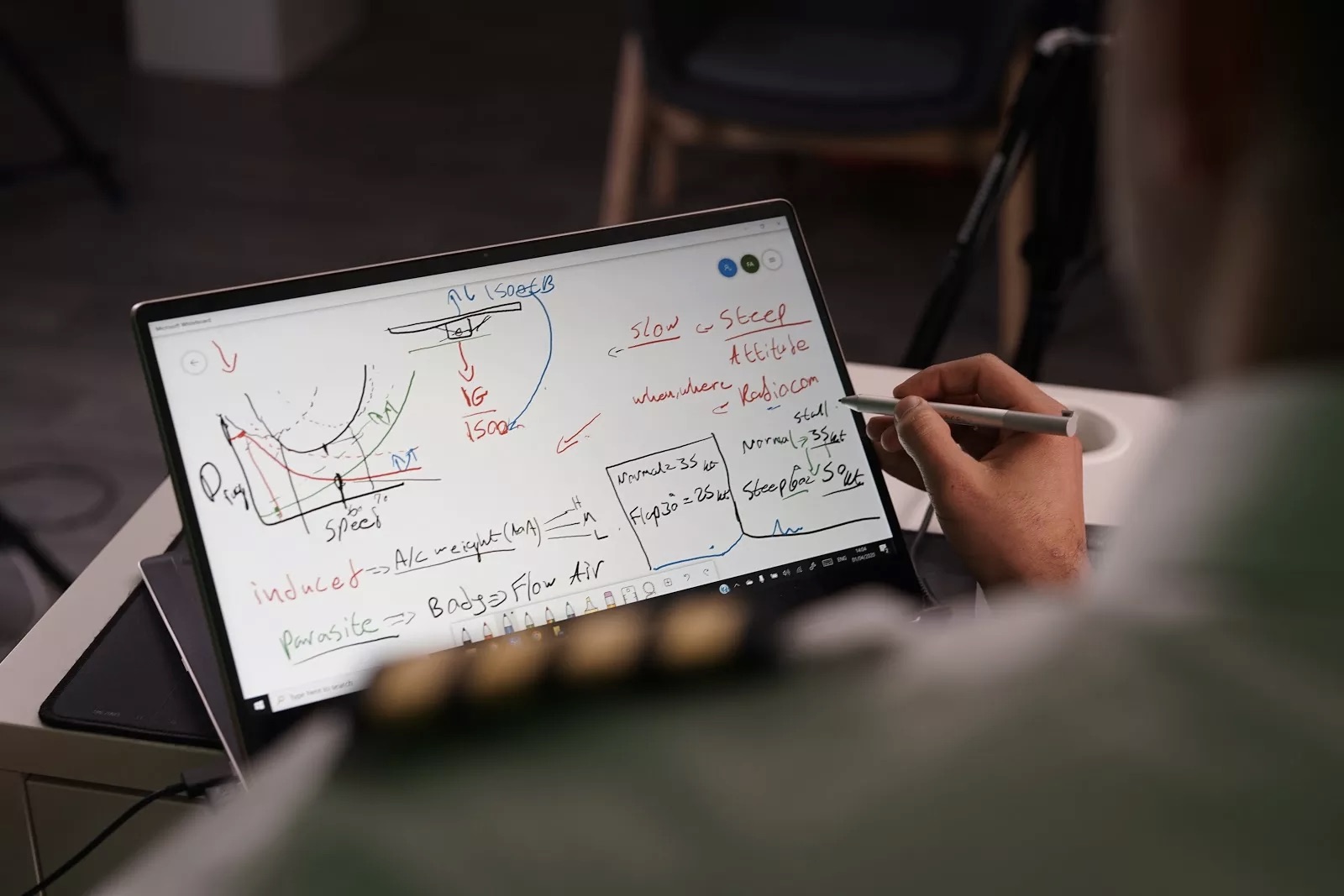
Ground School Subjects
The comprehensive ground training covers all aspects of instrument flying including:
- Flight Instrument Systems
- Attitude Instrument Flying
- Instrument Navigation
- FAA Regulations
- ATC Procedures
- Weather Theory
- Emergency Procedures
Written Examination
Towards the end of the course, you will have to demonstrate a sufficient level of theoretical knowledge at an FAA approved testing center in the form of a written test. To pass the Instrument Rating written examination you need to achieve a score of at least 70%. This test must be done before the Checkride.
Flight Training
The Flight Training will take place in the single-engine aircraft equipped for IFR or a Multi-Engine aircraft if the student has the ME add-on. This training will be divided into three stages and each stage will be completed with a stage check exam.
Part 141 Requirements
- 35 hours of instrument training (for initial instrument rating)
- 15 hours of instrument training (for additional instrument rating)
- Stage checks included
Part 61 Requirements
- Minimum of 15 hours of dual flight training
- Plus 50 hours of cross country as Pilot in Command (PIC)
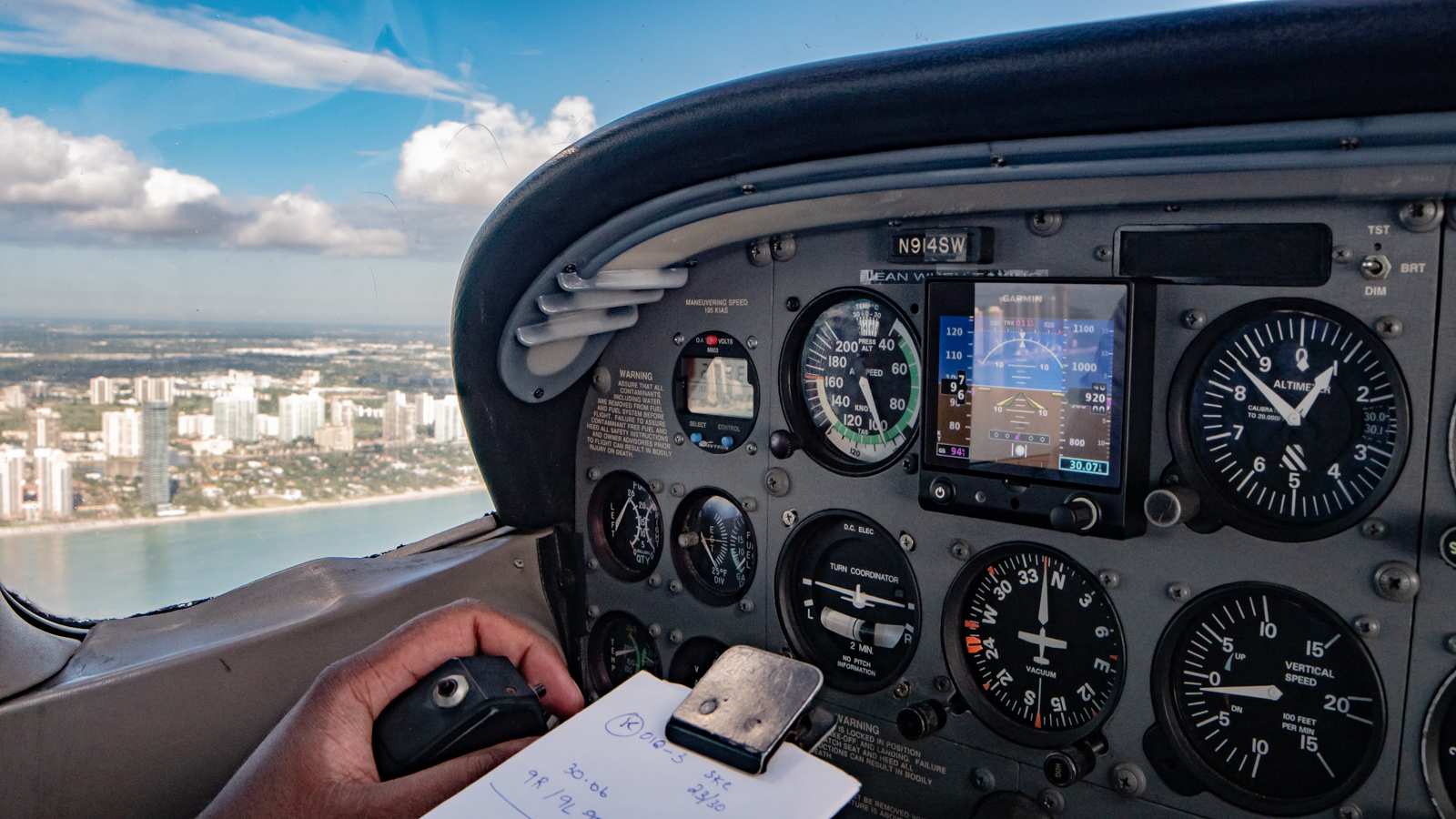
Advanced Flight Procedures
Train with our experienced CFII team in complex, real‑world environments. You’ll practice advanced instrument procedures with scenario‑based training and regular stage checks.
- Instrument maneuvers: unusual attitudes, partial‑panel, holds
- Precision & non‑precision approaches (ILS, VOR, RNAV/GPS)
- Instrument departures (ODPs/SIDs) & arrivals (STARs)
- En‑route navigation, radar/ATC services, lost‑comm procedures
- Long IFR cross‑country (≥250 NM) with approaches at multiple airports
Final Check Ride
The final aeronautical knowledge and practical test is the check ride. It will be taken at the end of all the training and consist of an oral and practical exam. Once the student passes this exam, he/she will obtain the Instrument Rating added to his/her license.
Entry Requirements
Pilot License
Hold at least a Private Pilot Certificate.
Medical
Hold a valid FAA Class 3 Medical certificate.
English
Read, write, speak, and understand English.
Why Choose Flying Academy
Experience world-class aviation training with comprehensive support and resources
Access all study materials through our updated Learning Management System from anywhere
Experienced & talented instructors with proven track records
Complete ground training from the comfort of your home
Broad international community of pilots and aviation professionals
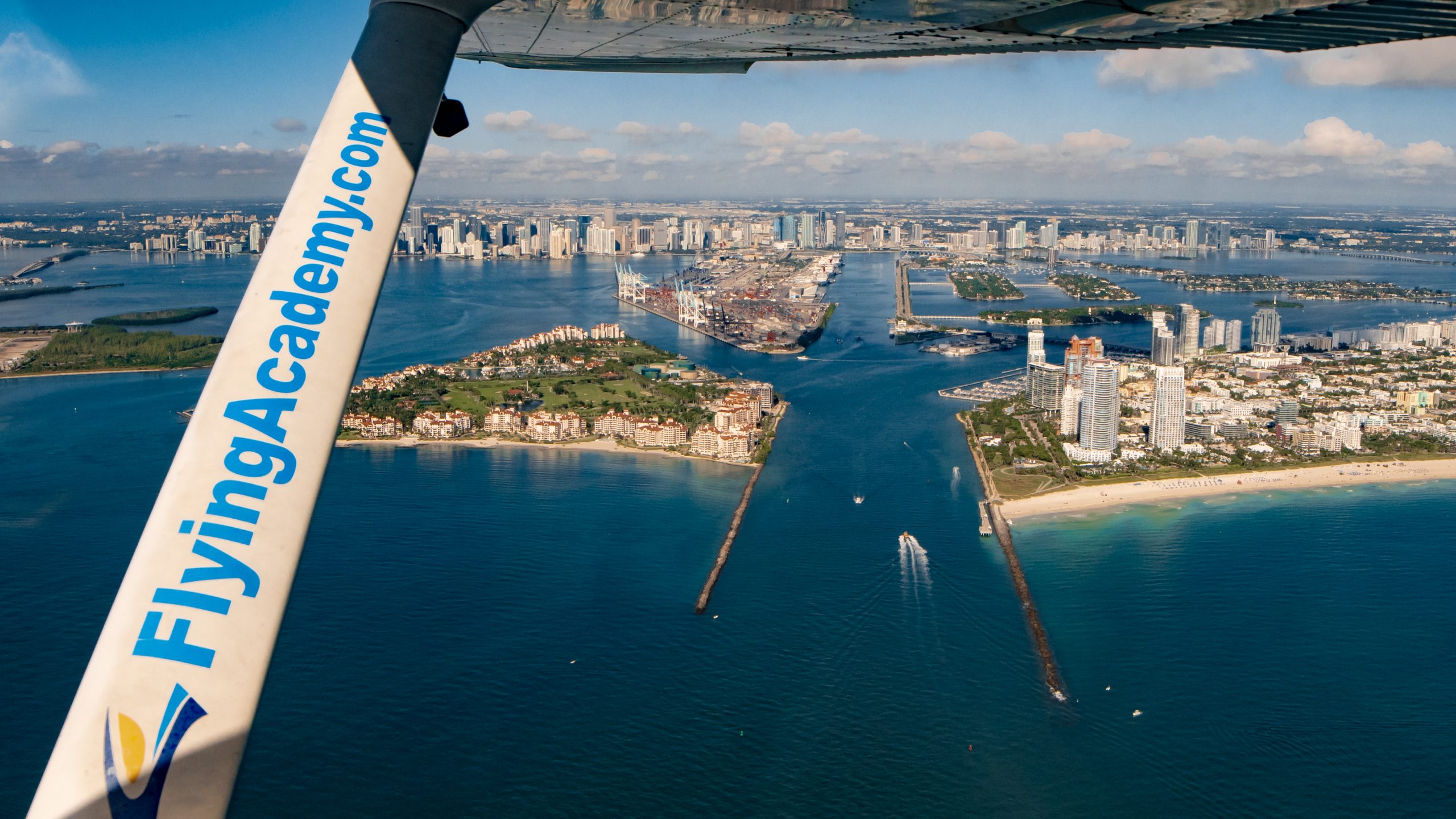
Train in Miami or Los Angeles for optimal weather and diverse airspace
Interactive coursework, stage checks, and monitored progress
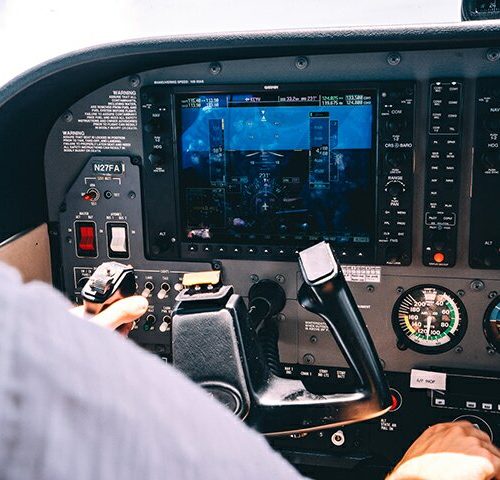
Top of the line modern aircraft fleet for training (G1000 & Analog)
State of the art virtual classrooms with live instruction
Dedicated flight training consultant & customer support
Training Locations
Train at our premier facilities in the USA